Pet Pad & Under Pad Production Lines: A Complete Manufacturing Guide for 2026 and Beyond
Jul 28, 2026
Introduction
The global pet pad and under pad market is experiencing rapid growth, driven by rising pet ownership, increasing demand for convenient pet hygiene solutions, and an aging population requiring bed protection products. For hygiene product manufacturers, adding a disposable pet pad production line or under pad line represents a compelling diversification opportunity with relatively lower entry barriers compared to diaper lines or sanitary napkin lines.
This comprehensive guide covers everything you need to know about pet pad and under pad production lines — from market dynamics and product types to manufacturing technology and investment considerations.
Market Overview: Why Pet Pads and Under Pads?
The Pet Pad Boom
The global pet population continues to rise, particularly in urban areas where apartment living makes pet pads essential for pet hygiene. Key market drivers include:
Growing pet humanization: Pet owners increasingly treat their pets as family members and seek premium hygiene products
Urbanization: More pets live in apartments without easy outdoor access
Small breed popularity: Small dogs and cats are more likely to use indoor pads
E-commerce growth: Pet pads are a staple subscription product with high repeat purchase rates
Under Pads for Human Care
Under pads (also known as bed protection pads, incontinence pads, or underpads) serve a different but equally growing market. Reliable Under Pad Production Machinery Suppliers offer advanced solutions for manufacturing these essential products for healthcare facilities and home care settings:
Aging population: Global demographics show a rising elderly population needing incontinence care
Healthcare facilities: Hospitals, nursing homes, and assisted living facilities require bulk underpad supplies
Post-surgery care: Under pads are essential for recovery and bedridden patient care
Toddler training: Used as mattress protectors during potty training
Market Size Estimate
The combined global market for pet pads and under pads is estimated at over $5 billion annually, with projected CAGR of 6-8% through 2030.
Product Types: What Can You Manufacture?
Pet Pads
Type
Typical Size
Absorbency
Target Use
Standard puppy pads
60×90 cm
Medium
Daily dog/cat training
Extra-large pads
90×120 cm
High
Large breed dogs, multiple pets
Super-absorbent pads
Various
Extra high
Overnight use, heavy urination
Scented training pads
Various
Medium
Attract puppies for training
Washable/reusable pads
Various
Varies
Eco-conscious owners
Under Pads (Human Care)
Type
Typical Size
Absorbency
Target Use
Bed protection pads
60×90 cm
Medium
Mattress protection
Heavy-duty incontinence pads
90×180 cm
High
Bedridden patient care
Chair pads
45×45 cm
Medium
Wheelchair protection
Disposable underpad sheets
60×60 cm
Low-Medium
Healthcare facility use
Both product categories share similar manufacturing processes and can often be produced on the same production line with minor adjustments — a significant advantage for manufacturers.
Pet Pad / Under Pad Production Line: Core Components
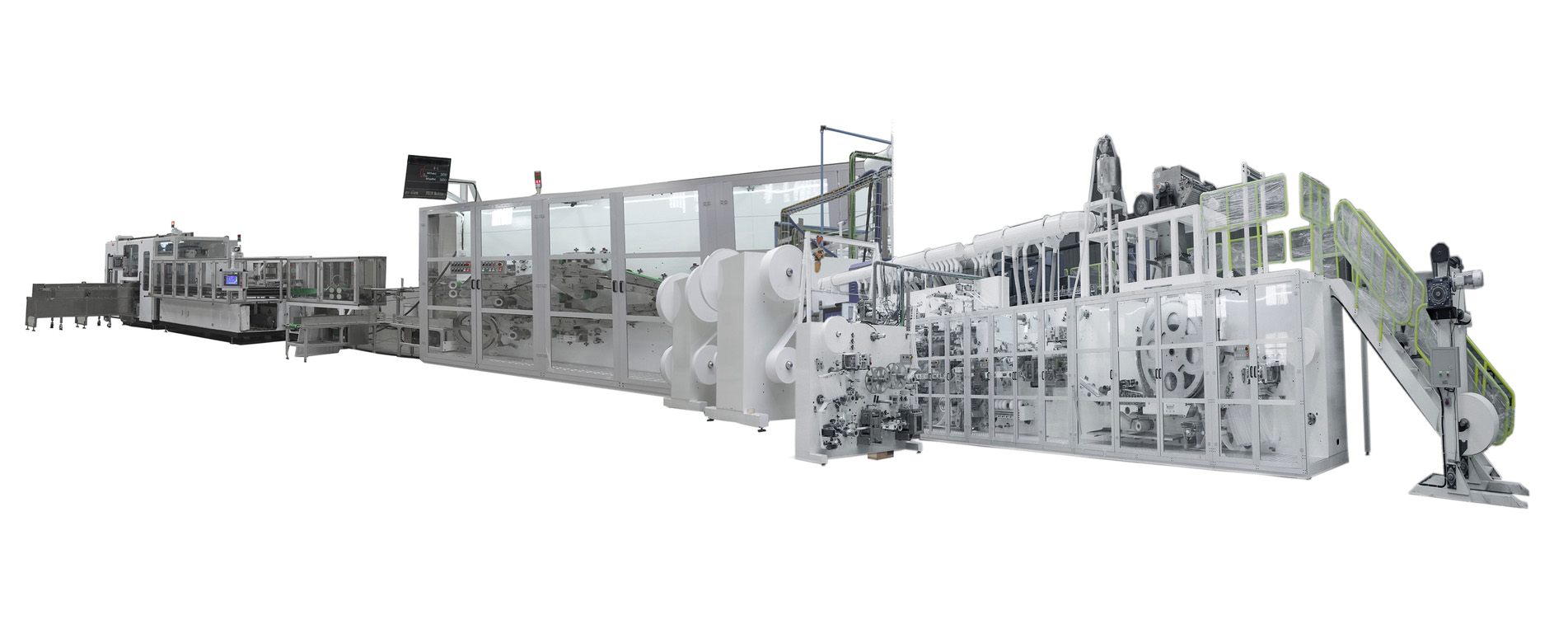
A complete pet pad and under pad production line typically consists of the following stations:
1. Raw Material Unwinding System
Multiple unwinding shafts for: nonwoven top sheet, PE back sheet, release paper, and absorbent core materials
Automatic tension control and splice systems for continuous operation
Edge-positioning sensors for accurate web alignment
2. Absorbent Core Forming System
Pulp grinding unit: Breaks down fluff pulp into the absorbent core
SAP dosing system: Precisely meters super-absorbent polymer for targeted absorbency
Core forming drum: Shapes the fluff pulp + SAP mixture into the desired core pattern
Core wrapping: Tissue paper wraps the formed core to maintain integrity
3. Composite Laminating Section
Bonds the absorbent core between the top sheet (nonwoven) and back sheet (PE film)
Hot-melt adhesive application system for uniform bonding
Release paper application for easy folding and storage
4. Embossing & Bonding Station
Pattern embossing improves liquid distribution and pad integrity
Thermal or ultrasonic bonding strengthens the laminated structure
Anti-leakage channels or cuffs (optional, for premium products)
5. Folding System
Various folding patterns available: Z-fold, tri-fold, bi-fold
Folding type depends on product packaging requirements
Logic-controlled folding ensures consistent output
6. Cutting & Forming Station
Servo-driven cutting knife for precise length control
Rounded or straight corner cutting options
Individual pad separation and counting
7. Packaging System
Flow wrapping: Individual pad wrapping for retail
Count packaging: Shrink wrap or bag packaging for bulk packs
Cartoning: Automatic carton erecting and filling for case packs
Palletizing: Automated stacking for shipping
Key Technical Specifications
When evaluating a pet pad/under pad production line, consider these critical specifications:
Specification
Typical Range
Best Practice
Production speed
100-400 pieces/min
200+ pcs/min for profitable operation
Product width
300-900 mm
Multi-width capability for flexibility
Product length
400-1800 mm
Servo-adjustable without tooling change
Core weight range
50-400 gsm
Wider range = more product types
SAP ratio
0-50%
Varies by target product quality
Material waste
<3%
Lower waste = better margins
Raw Materials Overview
Material
Function
Typical Spec
Nonwoven top sheet (spunbond or thermal bond)
Liquid-permeable layer contacting skin/pet
15-25 gsm
PE back sheet
Liquid-impermeable barrier
20-40 gsm
Fluff pulp
Absorbent core base
300-800 gsm
Super Absorbent Polymer (SAP)
High-capacity liquid absorption
10-200 gsm
Tissue paper
Core wrapping and integrity
12-18 gsm
Hot-melt adhesive
Layer bonding
3-10 gsm
Release paper
Cover for folded pads
30-50 gsm
Production Line Speed vs. Profitability
For pet pads and under pads, production economics favor higher speeds:
Under 150 pcs/min: Suitable for small-scale or multi-product lines with frequent changeovers
150-250 pcs/min: The sweet spot for mid-volume manufacturers with reasonable ROI
250-400 pcs/min: High-volume production optimized for large contracts and thin margins
Higher-speed lines command higher initial investment but deliver significantly lower per-unit costs, which is critical when competing in the retail and private-label segments.
Quality Control Considerations
Common Quality Parameters
Absorbency testing: Measure total liquid hold capacity and absorption speed
Leakage prevention: Ensure back sheet integrity and edge sealing
Core distribution uniformity: Consistent fluff/SAP distribution across the pad
Tensile strength: Top sheet and back sheet must withstand handling
Adhesive bonding: Uniform application without streaks or gaps
Dimensional accuracy: Length and width within ±2mm tolerance
Quality Control Systems
Online weight monitoring systems for the absorbent core
Vision inspection cameras for surface defects
In-line thickness measurement
Automatic reject removal for non-conforming products
Modern under pad production benefits from Smart Technology Integration in Under Pad Machinery, including vision inspection systems, automated SAP dosing control, and real-time quality monitoring — all essential for maintaining consistent product quality at high production speeds.
Comparing Pet Pad vs. Other Hygiene Production Lines
Factor
Pet Pad/Under Pad
Baby Diaper
Adult Diaper
Sanitary Napkin
Line complexity
Moderate
High
High
Moderate
Investment cost
$$
$$$$
$$$$
$$$
Raw material types
6-8
10-12
10-12
7-9
Speed range
150-400/min
200-600/min
100-300/min
300-600/min
Market growth rate
6-8%
3-4%
8-12%
4-5%
Product margin
Moderate-High
Moderate
Low-Moderate
High
Entry barrier
Low
High
High
Moderate
Pet pad and under pad lines offer the lowest entry barrier among hygiene product lines while serving fast-growing markets. This makes them an excellent choice for first-time hygiene product manufacturers or as an additional line for existing diaper/sanitary napkin factories.
Investment Considerations
Estimated Investment Range
For a new pet pad/under pad production line:
Entry-level line (150 pcs/min): $80,000 - $150,000
Mid-range line (250 pcs/min): $150,000 - $300,000
High-speed line (350+ pcs/min): $300,000 - $500,000+
Factory Requirements
Floor space: 400-800 square meters (depending on line length and automation level)
Power supply: 380V/50Hz or 480V/60Hz (three-phase)
Compressed air: 0.6-0.8 MPa supply
Staffing: 3-5 operators per shift for a semi-automated line
ROI Timeline
Most manufacturers achieve ROI within 12-24 months with a well-run mid-range line, assuming reasonable capacity utilization and market pricing.
Why Partner with First One Machinery
First One Machinery offers complete pet pad and under pad production line solutions designed for reliability, flexibility, and cost efficiency:
Multi-product capability: One line handles both pet pads and under pads with quick changeover
Modular design: Start with a basic configuration and upgrade as your business grows
Servo-driven precision: Reduced material waste and consistent product quality
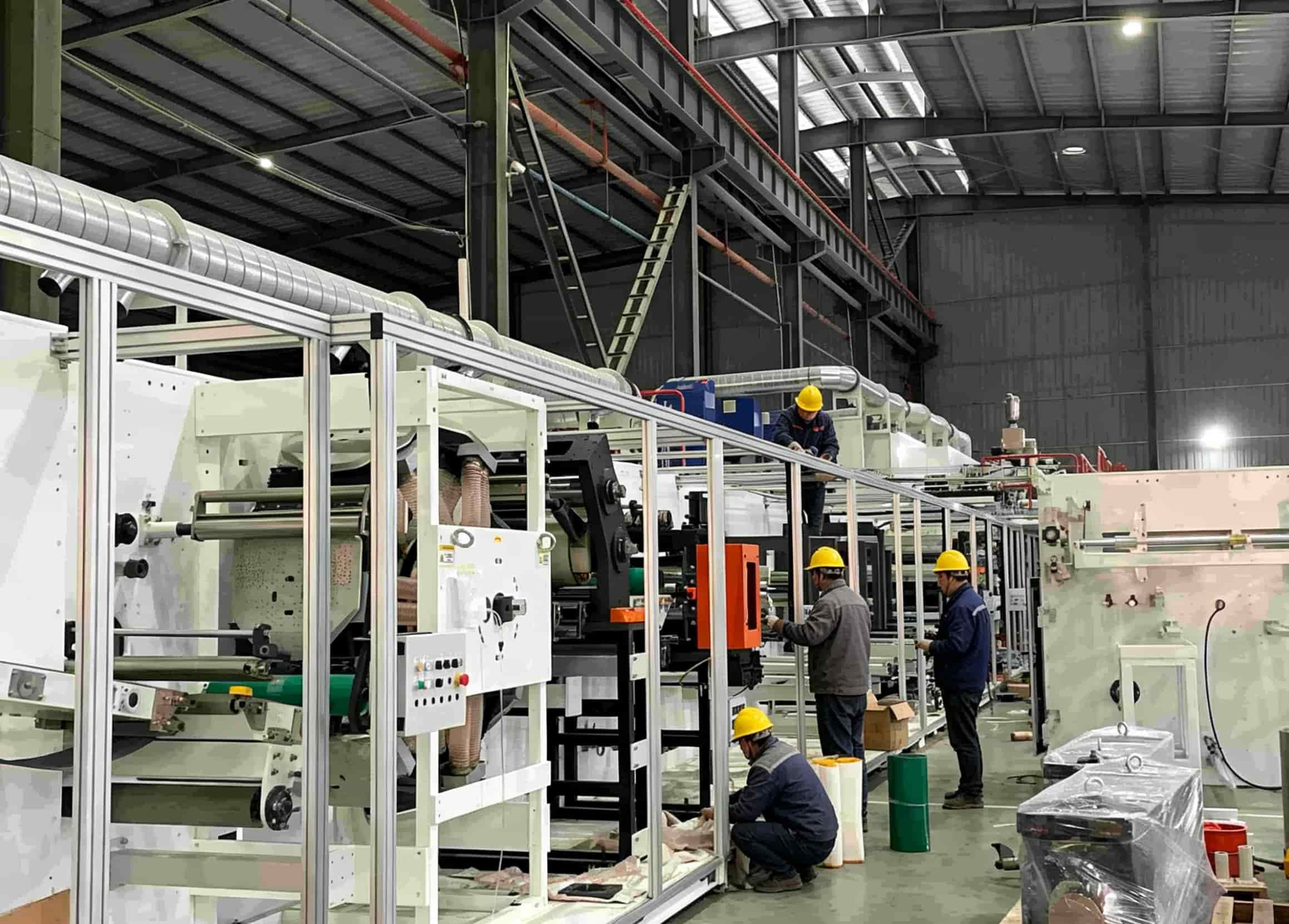
Comprehensive support: Installation supervision, operator training, and ongoing technical support
Competitive pricing: High-quality construction at accessible investment levels
Conclusion
The pet pad and under pad market represents one of the most attractive growth opportunities in the hygiene product manufacturing sector. With rising demand from both pet owners and healthcare facilities, manufacturers who enter this space now position themselves for strong returns over the next decade.
Whether you're a first-time hygiene product entrepreneur or an established manufacturer looking to diversify, a dedicated pet pad/under pad production line offers a compelling balance of manageable investment, operational simplicity, and strong market demand.
Ready to explore pet pad manufacturing? Contact First One Machinery for a detailed consultation, line specifications, and a customized investment proposal tailored to your production goals.