The global pet pad and under pad market is experiencing rapid growth, driven by rising pet ownership, increasing demand for convenient pet hygiene solutions, and an aging population requiring bed protection products. For hygiene product manufacturers, adding a disposable pet pad production line or under pad line represents a compelling diversification opportunity with relatively lower entry barriers compared to diaper lines or sanitary napkin lines.
This comprehensive guide covers everything you need to know about pet pad and under pad production lines — from market dynamics and product types to manufacturing technology and investment considerations.
The global pet population continues to rise, particularly in urban areas where apartment living makes pet pads essential for pet hygiene. Key market drivers include:
Under pads (also known as bed protection pads, incontinence pads, or underpads) serve a different but equally growing market. Reliable Under Pad Production Machinery Suppliers offer advanced solutions for manufacturing these essential products for healthcare facilities and home care settings:
The combined global market for pet pads and under pads is estimated at over $5 billion annually, with projected CAGR of 6-8% through 2030.
| Type | Typical Size | Absorbency | Target Use |
|---|---|---|---|
| Standard puppy pads | 60×90 cm | Medium | Daily dog/cat training |
| Extra-large pads | 90×120 cm | High | Large breed dogs, multiple pets |
| Super-absorbent pads | Various | Extra high | Overnight use, heavy urination |
| Scented training pads | Various | Medium | Attract puppies for training |
| Washable/reusable pads | Various | Varies | Eco-conscious owners |
| Type | Typical Size | Absorbency | Target Use |
|---|---|---|---|
| Bed protection pads | 60×90 cm | Medium | Mattress protection |
| Heavy-duty incontinence pads | 90×180 cm | High | Bedridden patient care |
| Chair pads | 45×45 cm | Medium | Wheelchair protection |
| Disposable underpad sheets | 60×60 cm | Low-Medium | Healthcare facility use |
Both product categories share similar manufacturing processes and can often be produced on the same production line with minor adjustments — a significant advantage for manufacturers.
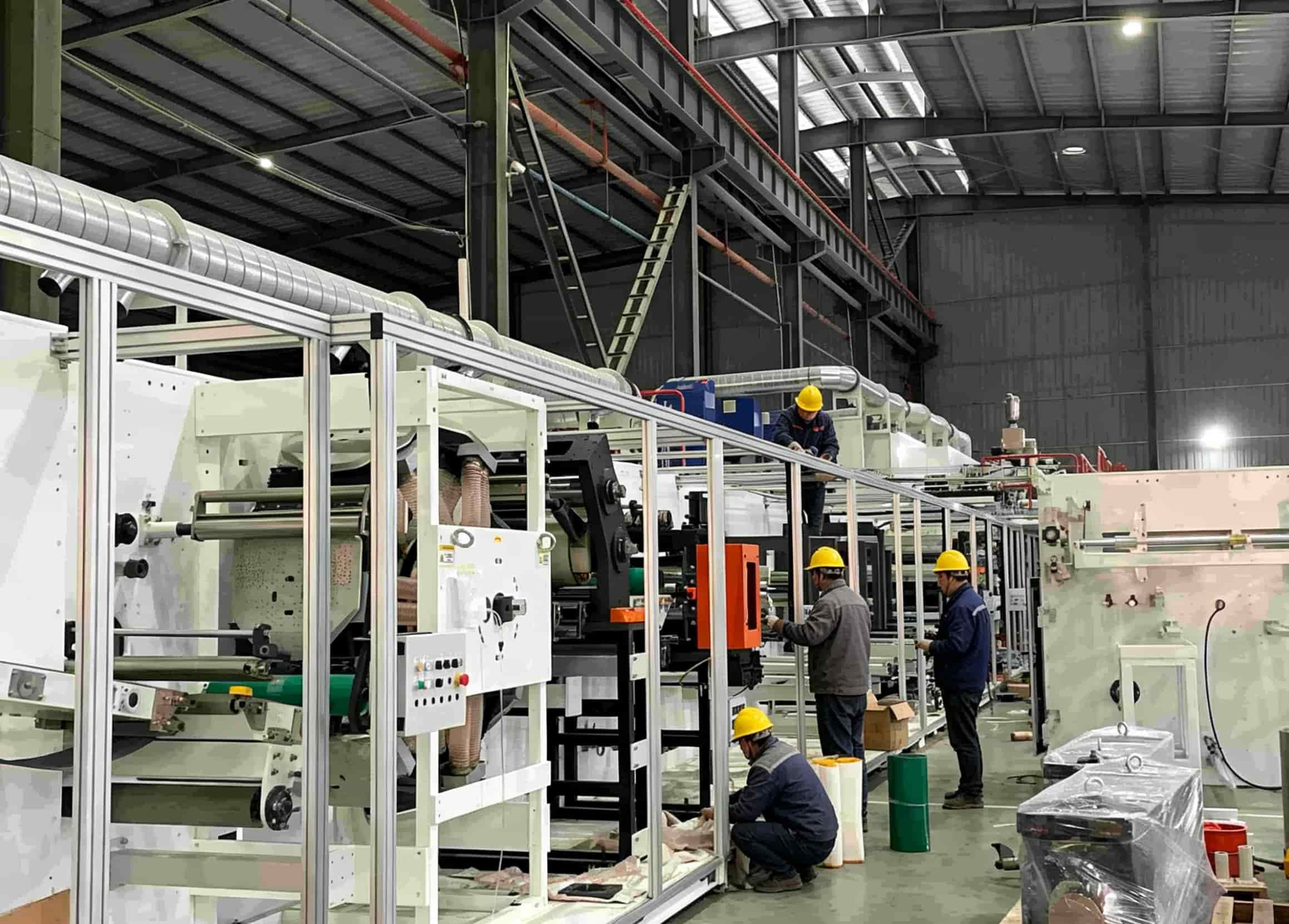
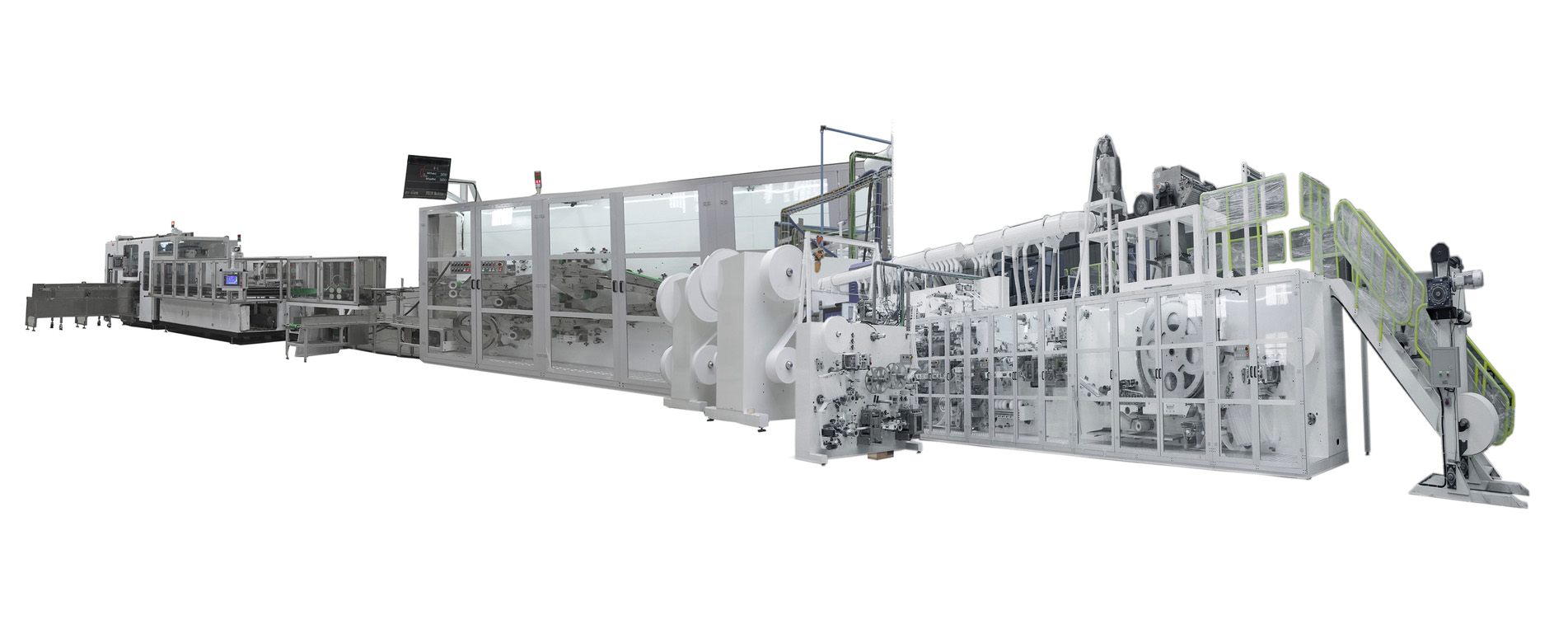
A complete pet pad and under pad production line typically consists of the following stations:
When evaluating a pet pad/under pad production line, consider these critical specifications:
| Specification | Typical Range | Best Practice |
|---|---|---|
| Production speed | 100-400 pieces/min | 200+ pcs/min for profitable operation |
| Product width | 300-900 mm | Multi-width capability for flexibility |
| Product length | 400-1800 mm | Servo-adjustable without tooling change |
| Core weight range | 50-400 gsm | Wider range = more product types |
| SAP ratio | 0-50% | Varies by target product quality |
| Material waste | <3% | Lower waste = better margins |
| Material | Function | Typical Spec |
|---|---|---|
| Nonwoven top sheet (spunbond or thermal bond) | Liquid-permeable layer contacting skin/pet | 15-25 gsm |
| PE back sheet | Liquid-impermeable barrier | 20-40 gsm |
| Fluff pulp | Absorbent core base | 300-800 gsm |
| Super Absorbent Polymer (SAP) | High-capacity liquid absorption | 10-200 gsm |
| Tissue paper | Core wrapping and integrity | 12-18 gsm |
| Hot-melt adhesive | Layer bonding | 3-10 gsm |
| Release paper | Cover for folded pads | 30-50 gsm |
For pet pads and under pads, production economics favor higher speeds:
Higher-speed lines command higher initial investment but deliver significantly lower per-unit costs, which is critical when competing in the retail and private-label segments.
Modern under pad production benefits from Smart Technology Integration in Under Pad Machinery, including vision inspection systems, automated SAP dosing control, and real-time quality monitoring — all essential for maintaining consistent product quality at high production speeds.
| Factor | Pet Pad/Under Pad | Baby Diaper | Adult Diaper | Sanitary Napkin |
|---|---|---|---|---|
| Line complexity | Moderate | High | High | Moderate |
| Investment cost | $$ | $$$$ | $$$$ | $$$ |
| Raw material types | 6-8 | 10-12 | 10-12 | 7-9 |
| Speed range | 150-400/min | 200-600/min | 100-300/min | 300-600/min |
| Market growth rate | 6-8% | 3-4% | 8-12% | 4-5% |
| Product margin | Moderate-High | Moderate | Low-Moderate | High |
| Entry barrier | Low | High | High | Moderate |
Pet pad and under pad lines offer the lowest entry barrier among hygiene product lines while serving fast-growing markets. This makes them an excellent choice for first-time hygiene product manufacturers or as an additional line for existing diaper/sanitary napkin factories.
For a new pet pad/under pad production line:
Most manufacturers achieve ROI within 12-24 months with a well-run mid-range line, assuming reasonable capacity utilization and market pricing.
First One Machinery offers complete pet pad and under pad production line solutions designed for reliability, flexibility, and cost efficiency:
The pet pad and under pad market represents one of the most attractive growth opportunities in the hygiene product manufacturing sector. With rising demand from both pet owners and healthcare facilities, manufacturers who enter this space now position themselves for strong returns over the next decade.
Whether you're a first-time hygiene product entrepreneur or an established manufacturer looking to diversify, a dedicated pet pad/under pad production line offers a compelling balance of manageable investment, operational simplicity, and strong market demand.
Ready to explore pet pad manufacturing? Contact First One Machinery for a detailed consultation, line specifications, and a customized investment proposal tailored to your production goals.
WhatsApp : +8615859535393
Email : aria@firstonemachine.com
Tel : +86 -15859535393


Tel: +86 -15859535393 Email: aria@firstonemachine.com